My Biology Glossary
My Biology Glossary
Hello, my name is Yanis Talmat. I have been studying in Health Science for 1 year at Montmorency College. My field of study is biology and I made this glossary to help everyone who has difficulties with biology related words. I put some words that are related to the basic notions of biology, but I also chose some that are related to hard subjects. I made this decision so this glossary could be good for beginners and experts in biology. Most of the words are interlinked together and learning their definitions can definitely help someone understand some principles of biology.
- bacterium
- noun
- A member of a large group of unicellular microorganisms which have cell walls but lack organelles and an organized nucleus, including some which can cause disease.
- Example: The outline of Margulis' Serial Endosymbiosis Theory (SET), is that a sulphur and heat loving kind of bacterium called a fermenting "archaebacterium" (or "thermoacidophil"), merged with a swimming bacterium.
- fr: bactérie

- biodiversity
- noun
- The variety of life in the world or in a particular habitat or ecosystem.
- Example: Also biodiversity is being reduced at a much lesser extent than originally thought and this reduction can be slowed by halting deforestation.
- fr: biodiversité
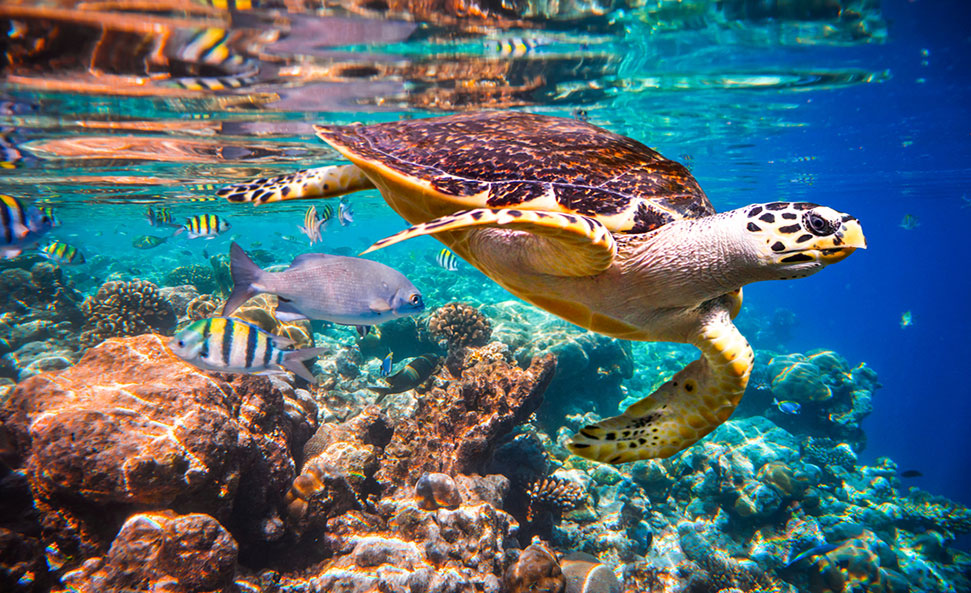
- cell
- noun
- The smallest structural and functional unit of an organism, typically microscopic and consisting of cytoplasm and a nucleus enclosed in a membrane. Microscopic organisms typically consist of a single cell, which is either eukaryotic or prokaryotic.
- Example: At its most simple level, the theory suggests that the modern Eukaryotic cell evolved from symbiotic associations with prokaryotic ancestors.
- fr: cellule

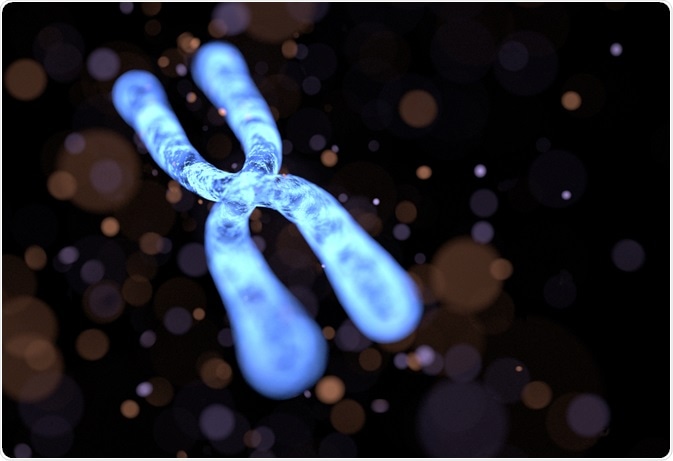
- chromosome
- noun
- A threadlike structure of nucleic acids and protein found in the nucleus of most living cells, carrying genetic information in the form of genes.
- Example: Normal eukaryotic cells contain two copies of any one chromosome.
- fr: chromosome
- DNA
- noun
- A self-replicating material which is present in nearly all living organisms as the main constituent of chromosomes. It is the carrier of genetic information.
- Example: Investigations using synchrotron X-rays for protein crystallography can help scientists understand and imitate complex structures - from cellulose fibre to spiders' silk.12 It is thanks to X-ray crystallography that James Watson and Francis Crick were able to discover the "double helix" structure of deoxyribonucleic acid, DNA.
- fr: ADN

- evolution
- noun
- The process by which different kinds of living organisms are thought to have developed and diversified from earlier forms during the history of the earth.
- Example: Evolution of the Earth inevitably challenged the survival of primitive anaerobic cells.
- fr: évolution
:max_bytes(150000):strip_icc()/evolution-5c72e6d1c9e77c0001ddcedd.jpg)
- extinction
- noun
- The termination of a kind of organism or of a group of kinds (taxon), usually a species.
- Example: As a result, the extensive use of chemical fertilizers has led to indirect mortality and extinction of many species, due to reduced capacity of lakes and marine ecosystems to serve as wildlife habitats (Scialabba and Williamson, 2004).
- fr: extinction
/GettyImages-492602763-56d32ae45f9b5879cc8aa683.jpg)
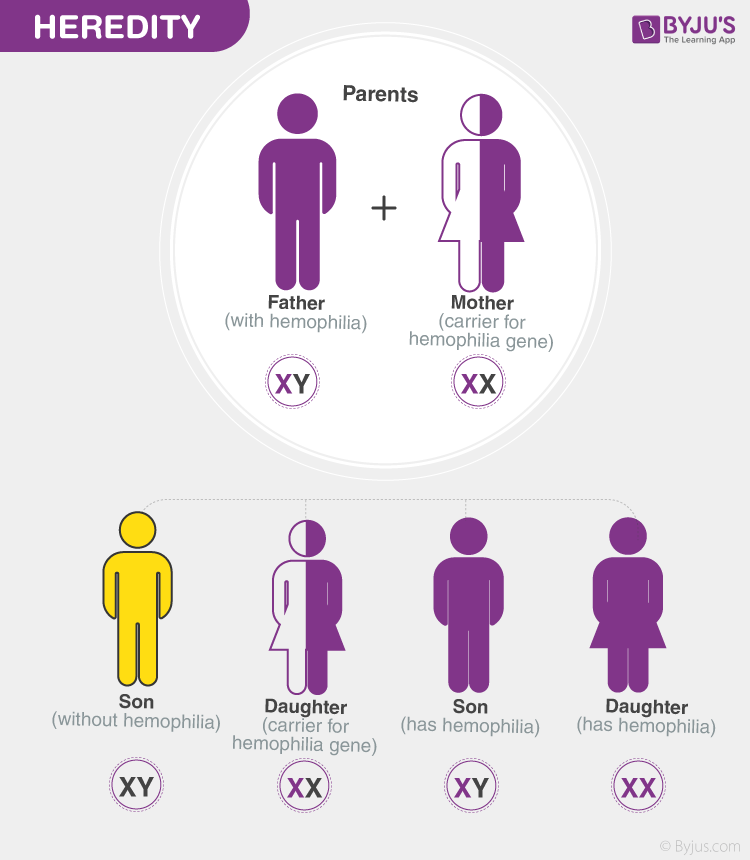
- heredity
- noun
- The passing on of physical or mental characteristics genetically from one generation to another.
- Example: They shared the same vocabulary of the dangers of heredity to continued human progress and of the moral duty society had to prevent the passing on of "defective" or "inferior" characteristics.
- fr: hérédité
- meiosis
- noun
- A type of cell division that results in four daughter cells each with half the number of chromosomes of the parent cell, as in the production of gametes and plant spores.
- Example: Eukaryotes reproduce sexually by crossing genetic material with another cell in a process called meiosis, this allows for more rapid evolution as each offspring is genetically different to its parents.
- fr: méiose

- metabolism
- noun
- The chemical processes that occur within a living organism in order to maintain life.
- Example: Nicotinic acid (pyridine-3-carboxylic acid), a water soluble vitamin (B3) compound, along with derivatives such as NADP and NADH are extensively involved in metabolism of viable cells.
- fr: métabolisme

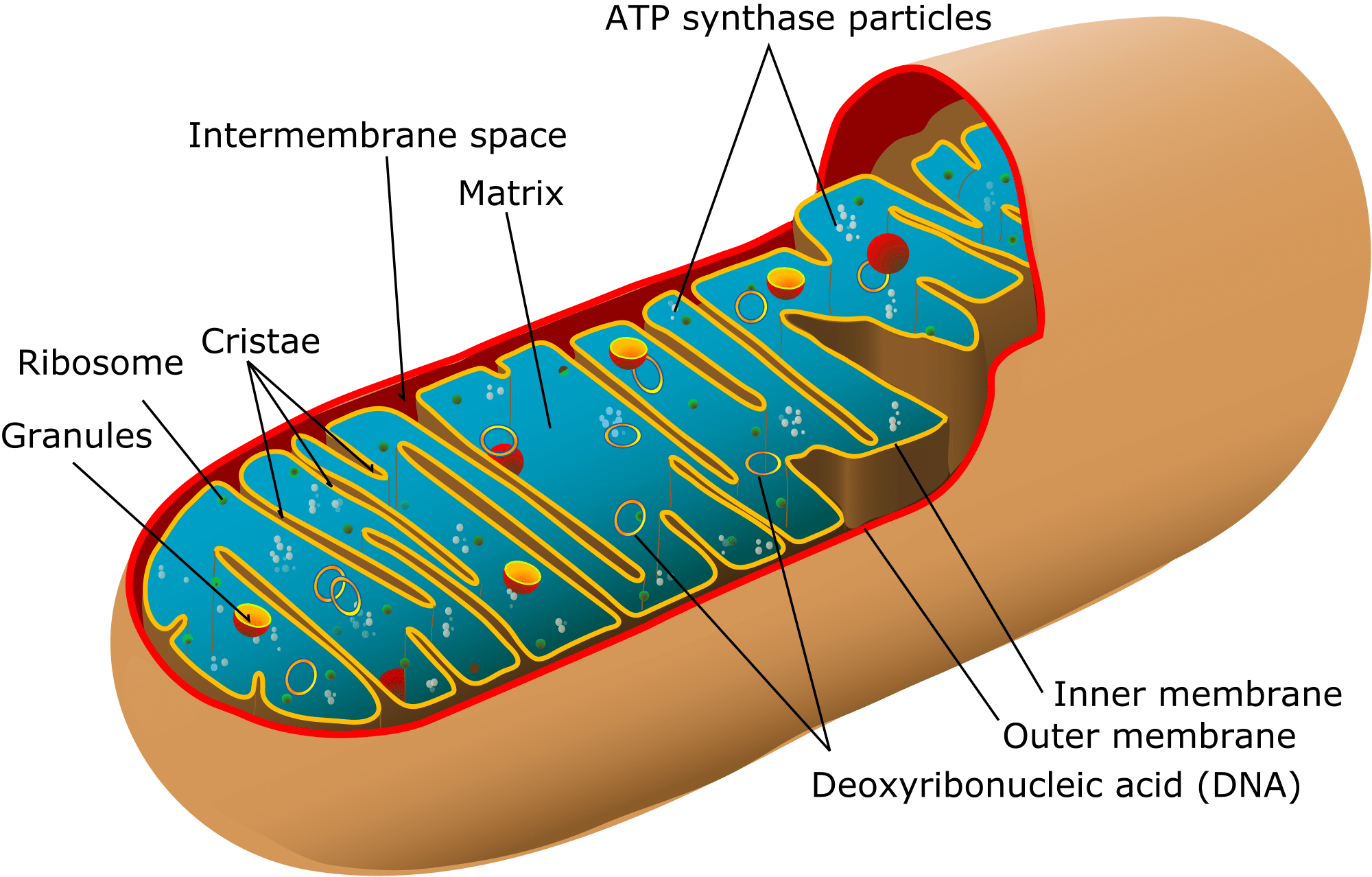
- mitochondrion
- noun
- An organelle found in large numbers in most cells, in which the biochemical processes of respiration and energy production occur. It has a double membrane, the inner layer being folded inward to form layers (cristae).
- Example: This symbiotic relationship created what was to be the forerunner of the mitochondrion in the modern eukaryotic cell.
- fr: mitochondrie
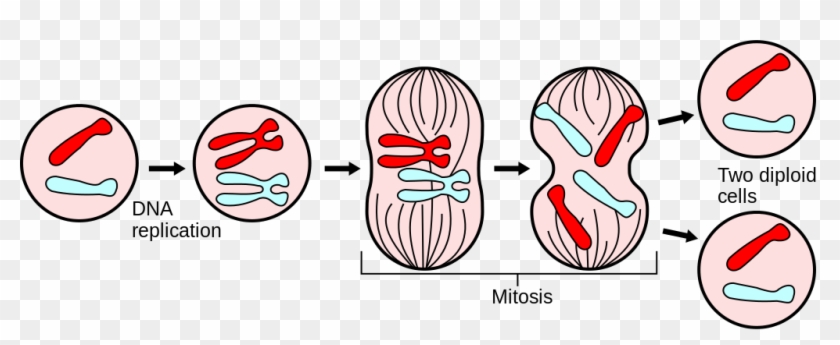
- mitosis
- noun
- A type of cell division that results in two daughter cells each having the same number and kind of chromosomes as the parent nucleus, typical of ordinary tissue growth.
- Example: They are also not split equally between cells when they divide at mitosis and so one cell may inherit all maternal mitochondria.
- fr: mitose
- mutation
- noun
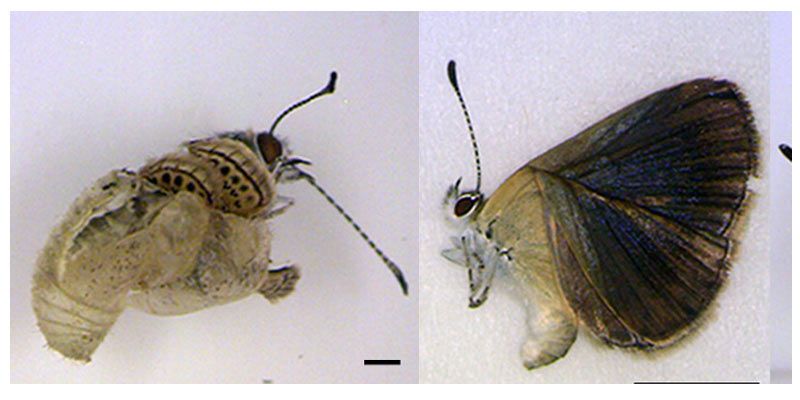
- The changing of the structure of a gene, resulting in a variant form that may be transmitted to subsequent generations, caused by the alteration of single base units in DNA, or the deletion, insertion, or rearrangement of larger sections of genes or chromosomes.
- Example: It does not cast the Darwin ideas aside, as this theory does explain the improvement of species through random genetic mutation and negative selection.
- fr: mutation
- parasite
- noun
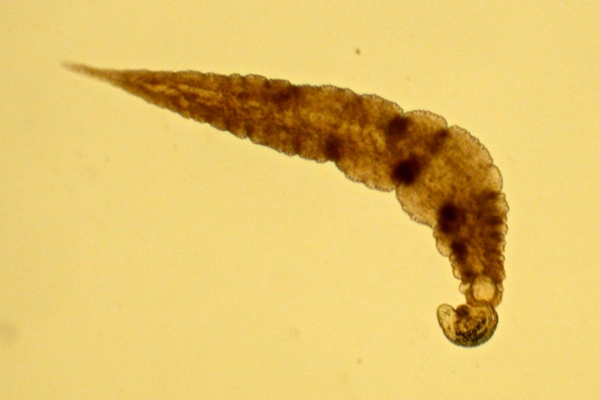
- An organism that lives in or on an organism of another species (its host) and benefits by deriving nutrients at the other's expense.
- Example: In Africa, 1 in 500 (Cited from 29 04 03) people are affected as the sickle shaped erythrocyte confers resistance to the parasite.
- fr: parasite
- reproduction
- noun
- The production of offspring by a sexual or asexual process.
- Example: This form of reproduction has meant that there evolution is extremely slow so this life form has changed very little for millions of years.
- fr: reproduction
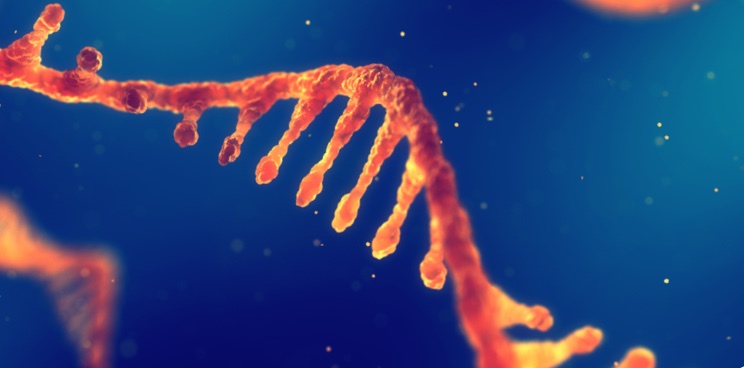
- RNA
- noun
- A nucleic acid present in all living cells. Its principal role is to act as a messenger carrying instructions from DNA for controlling the synthesis of proteins, although in some viruses RNA rather than DNA carries the genetic information.
- Example: Ribosomal RNA gene sequencing and phylogeny techniques can be used to show that mitochondria and chloroplasts are highly related ancestors of specific bacteria.
- fr: ARN
- species
- noun
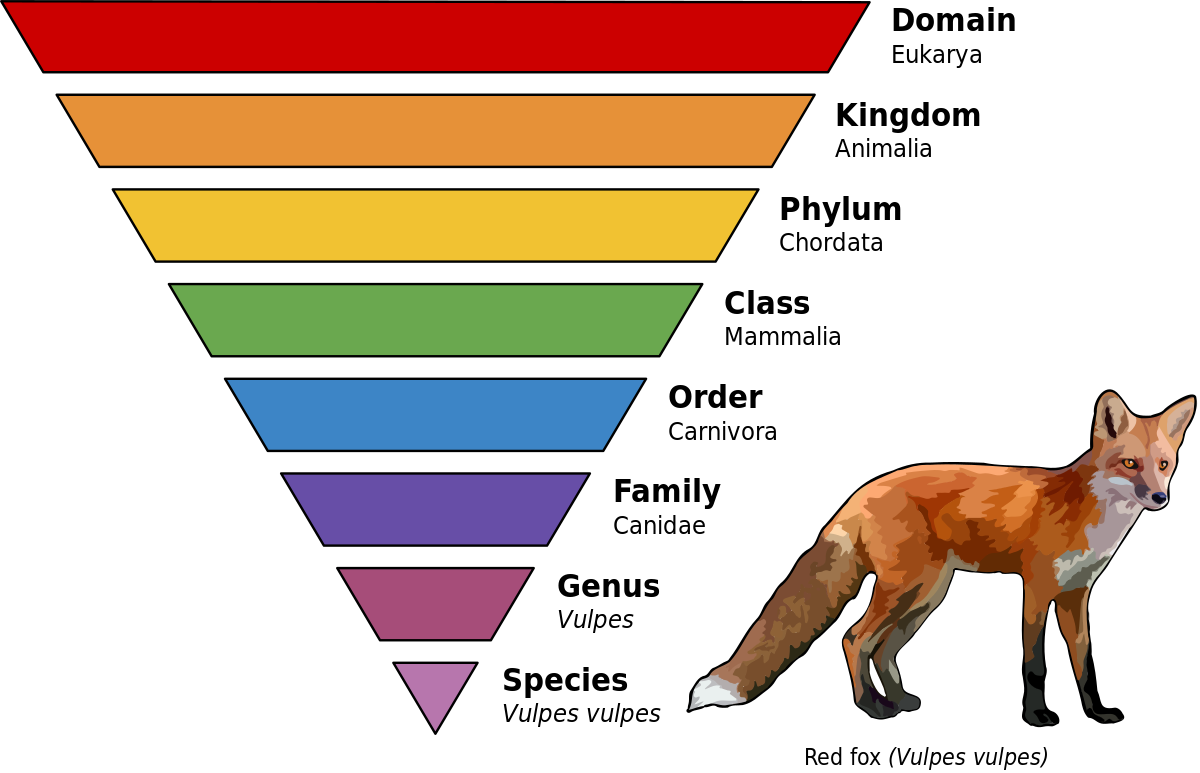
- A group of living organisms consisting of similar individuals capable of exchanging genes or interbreeding. The species is the principal natural taxonomic unit, ranking below a genus and denoted by a Latin binomial, e.g. Homo sapiens.
- Example: In his book he argued "tissues, organs, organisms and even species originated by the establishment of long term symbiogenesis".
- fr: espèce
- symbiosis
- noun
- Interaction between two different organisms living in close physical association, typically to the advantage of both.
- Example: In symbiotic theories it is thought that certain eukaryotic organelles evolved from prokaryotic organisms, which entered into symbiosis with an ancestor of eukaryotic cells, "the protoeukaryote".
- fr: symbiose

- taxonomy
- noun
- The branch of science concerned with classification, especially of organisms; systematics.
- Example: The use of karyotype to entangle the taxonomy of cryptic species is emphasised and its use will be more and more important as banding techniques and analysing methods are improved.
- fr: taxonomie
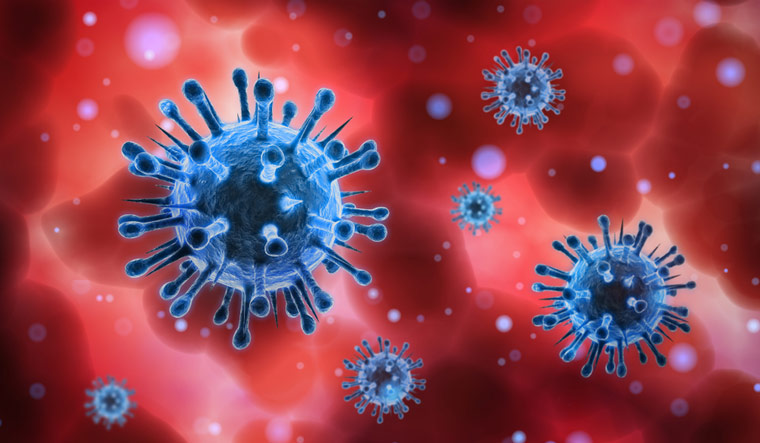
- virus
- noun
- An infective agent that typically consists of a nucleic acid molecule in a protein coat, is too small to be seen by light microscopy, and is able to multiply only within the living cells of a host.
- Example: Apart from the political factors, the other factor that directly affects the air transport industry is the social factors of SARS virus in Asia and Canada.
- fr: virus